Jigawa Moves to Shape Dutse Master Plan 2050 Review as Executive Council Constitutes Committee
By Faisal A Harande
Dutse, Jigawa State – The Jigawa State Executive Council has taken a major step towards the long-term development of the state capital by constituting a high-powered committee to harmonize submissions and recommendations on the proposed Dutse Master Plan 2050.
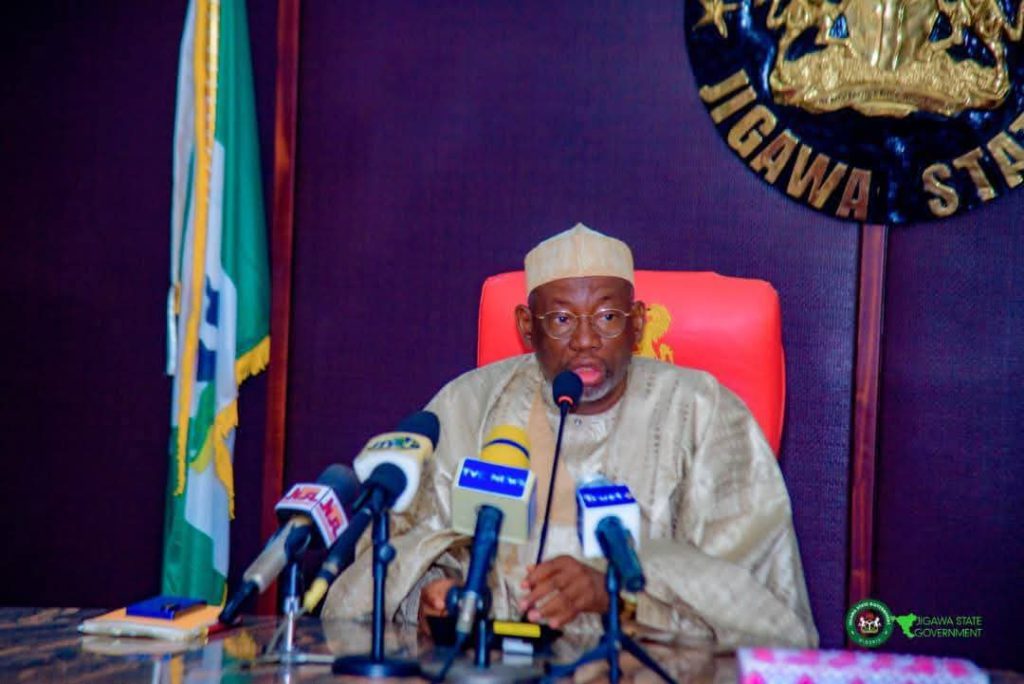
The decision was among key resolutions reached during the State Executive Council meeting chaired by Governor Malam Umar A. Namadi, FCA, on Monday, June 15, 2026.
The committee, chaired by the Commissioner for Lands, Housing, Urban Development and Regional Planning, Hon. Ahmed Alhaji Kaugama, is expected to review all presentations and stakeholder submissions relating to the future development framework of Dutse and its surrounding communities.
According to the Council, the review process will involve extensive consultations with professional bodies, community leaders, relevant institutions, and other stakeholders to ensure that the final master plan reflects the aspirations of government and citizens.
The committee is expected to submit its report within four weeks.
The Dutse Master Plan Review 2050 is seen as a strategic blueprint for sustainable urban expansion, infrastructure development, environmental management, housing, transportation, and economic growth in the state capital over the next two decades.
In another major decision, the Council approved ₦97.71 million for the training of 2,600 Hisbah personnel drawn from the state headquarters, zonal commands, and all 27 local government areas. The training is aimed at improving operational efficiency, professionalism, coordination, and service delivery across the state.
The Council also approved the award of a ₦279.7 million contract for preparatory activities under the Special Agro-Industrial Processing Zone (SAPZ) Programme Phase II – Tranche 2.
The programme, implemented in partnership with the Federal Government and the African Development Bank, is designed to attract private sector investment in agro-processing, strengthen agricultural value chains, create jobs, and position Jigawa as a leading agribusiness and agro-industrial hub in Nigeria.
The approvals underscore the Namadi administration’s commitment to sustainable urban development, institutional strengthening, agricultural transformation, and economic growth under its 12-Point Development Agenda.
About The Author