Tinubu Signs ₦68.32 Trillion 2026 Budget, Extends 2025 Spending Timeline
By Public Eye News Desk | April 17, 2026
ABUJA, Nigeria
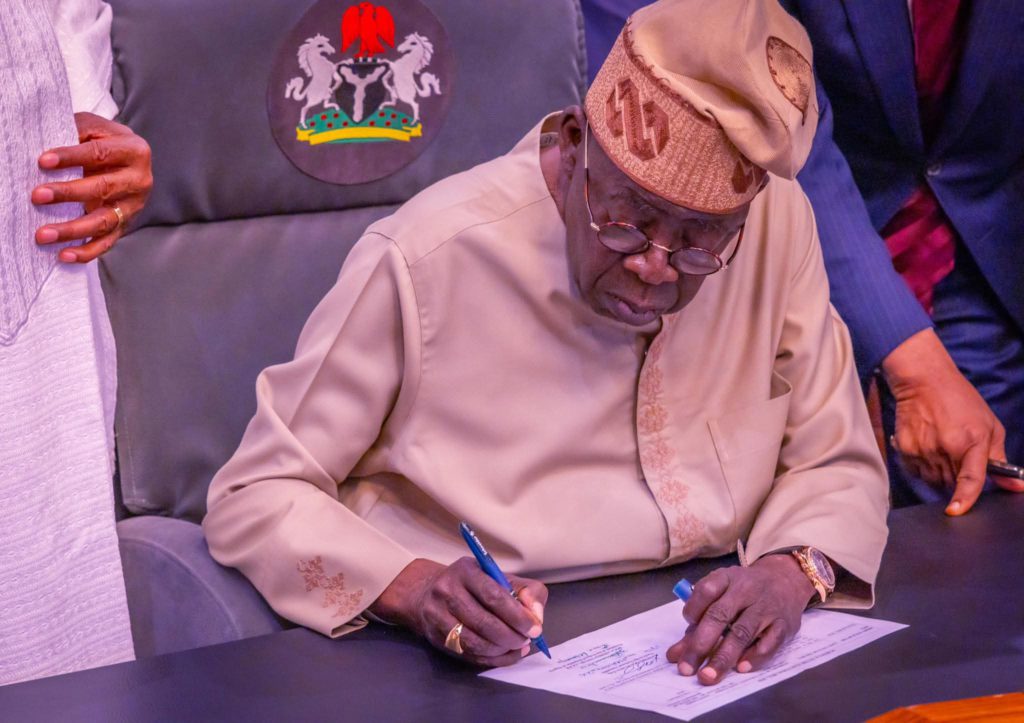
President Bola Ahmed Tinubu has officially signed into law the 2026 Appropriation Bill, approving a record expenditure of ₦68.32 trillion, while also extending the lifespan of the 2025 budget to June 30, 2026.
The newly enacted budget outlines a comprehensive fiscal framework aimed at strengthening economic stability, advancing infrastructure development, and promoting inclusive growth under the administration’s Renewed Hope Agenda.
Budget Breakdown and Key Allocations
According to details released by the State House, the ₦68.32 trillion budget includes:
- ₦4.799 trillion for statutory transfers
- ₦15.8 trillion earmarked for debt servicing
- ₦15.4 trillion allocated to recurrent (non-debt) expenditure
- ₦32.2 trillion dedicated to capital expenditure through the Development Fund
Capital spending accounts for approximately 50 percent of the total budget, signaling a strong policy shift toward long-term investments in infrastructure, security, and productivity-driven sectors.
Extension of 2025 Budget Implementation
In a related move, President Tinubu signed an amendment bill extending the implementation of the capital component of the 2025 Appropriation Act from March 31 to June 30, 2026. The extension is designed to allow Ministries, Departments, and Agencies (MDAs) to complete ongoing projects and ensure optimal use of already appropriated funds.
Officials say the decision will help consolidate near-completed infrastructure projects nationwide, improve delivery timelines, and enhance value for public spending.
Government’s Fiscal Priorities
The Presidency emphasized that the 2026 budget reflects a deliberate balance between statutory obligations, debt commitments, operational costs, and capital investments necessary for national development.
With the budget taking effect from April 1, 2026, federal authorities have been directed to ensure strict adherence to transparency, efficiency, and accountability in implementation.
President Tinubu also urged MDAs to prioritize value for money and timely project execution, reinforcing his administration’s commitment to fiscal discipline.
Commendation of National Assembly
The President commended the National Assembly of Nigeria for what he described as “diligence and patriotism” in the timely consideration and passage of the budget.
He further stressed the need for continued synergy between the executive and legislative arms to drive Nigeria’s development agenda.
Outlook: Growth, Jobs, and Reforms
Reaffirming his administration’s economic direction, Tinubu pledged to deepen fiscal reforms, boost revenue generation, and channel investments into sectors capable of stimulating economic growth, creating jobs, and strengthening social protection systems.
The 2026 budget, one of the largest in Nigeria’s history, is expected to play a pivotal role in shaping the country’s economic trajectory amid ongoing reforms and global economic uncertainties.
About The Author