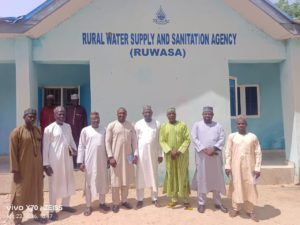
Transforming Jigawa’s Housing Sector: Governor Umar Namadi’s Strategic Reforms Drive Inclusive Growth and Urban Renewal
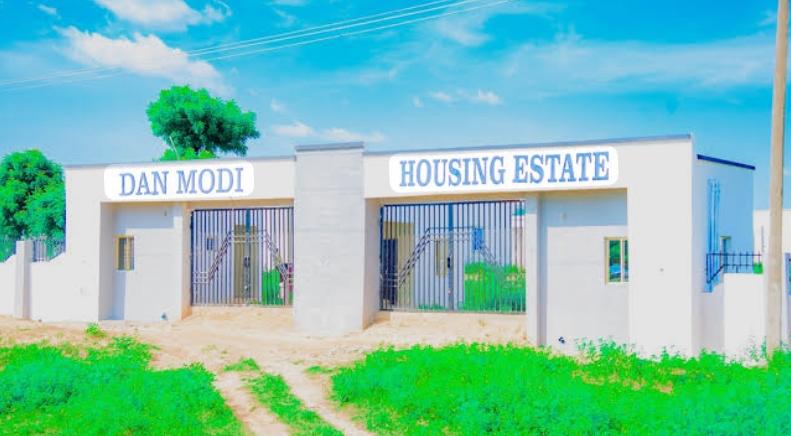
Jigawa’s Housing Revolution: Governor Umar Namadi Driving Inclusive Growth Through Strategic Reform
By Basiru Dutse Public Eye News
Dutse, Jigawa State
Jigawa State is steadily emerging as a reference point for structured housing development, as the administration of Governor Umar Namadi, FCA, intensifies reforms aimed at tackling housing deficits while promoting economic inclusion and urban modernization.

Investigations by Public Eye News indicate that the government’s housing agenda has evolved beyond traditional infrastructure delivery, adopting a comprehensive framework that integrates urban planning, economic empowerment, and social equity.

Policy Reforms Reshaping the Sector
At the heart of the transformation is the repositioning of the Jigawa State Housing Authority into a more proactive and performance-driven institution. The agency has been mandated to address housing challenges across all 27 local government areas through coordinated and scalable interventions.

Central to this effort is the state’s Mass Housing Programme, which targets the development of over 1,500 housing units. The initiative is designed to expand access to affordable housing, particularly for underserved populations in rural and semi-urban communities.

In a significant boost to sustainability, the state government has also approved over ₦2 billion as a revolving fund for the housing sector an intervention aimed at ensuring financial independence, continuity of projects, and long-term sectoral stability.
Leadership Driving Execution
Stakeholders in the built environment sector continue to highlight the role of Arc. Saleh Abubakar Gumel, General Manager of the Housing Authority, in translating policy into measurable outcomes.
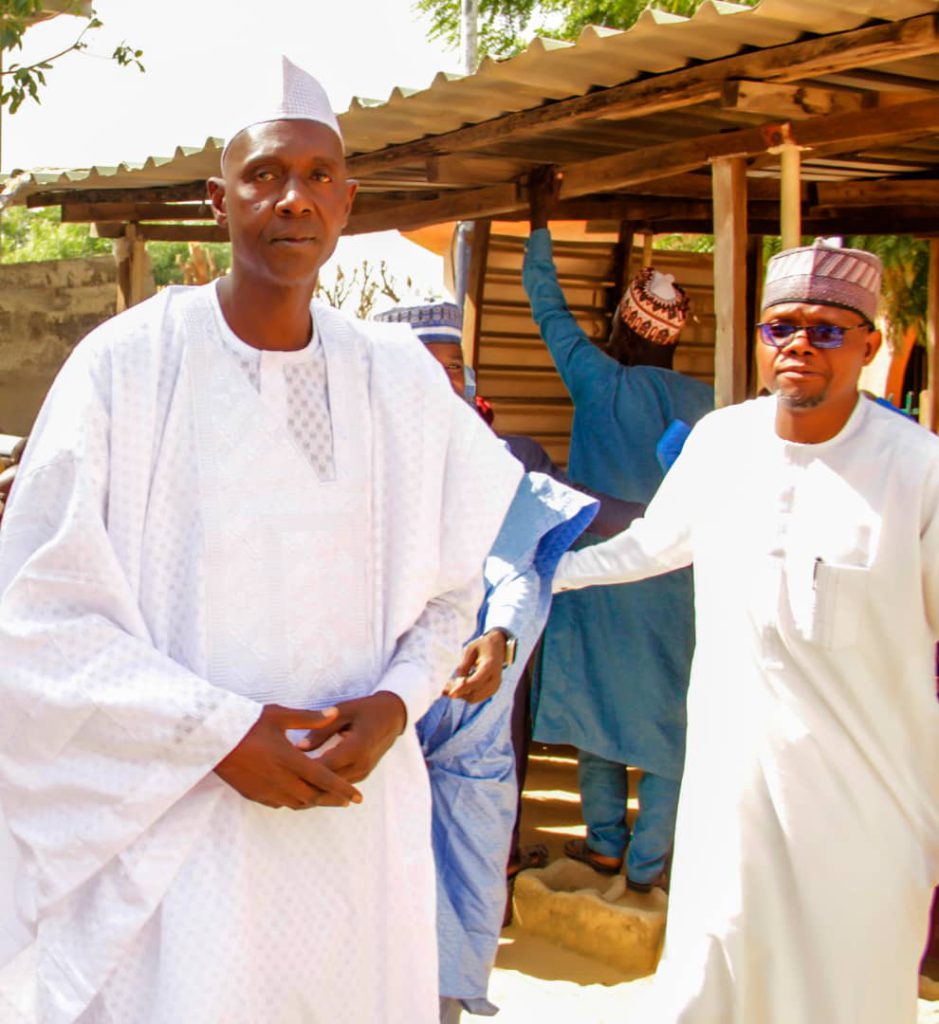
Having served in the previous administration of former Governor Muhammad Badaru Abubakar and retained under the current leadership, Gumel is credited with maintaining institutional continuity while strengthening efficiency and accountability in project execution.
Under his supervision, several housing projects have progressed from conceptual stages to visible development, reflecting a deliberate focus on delivery and results.
Expanding Urban Infrastructure
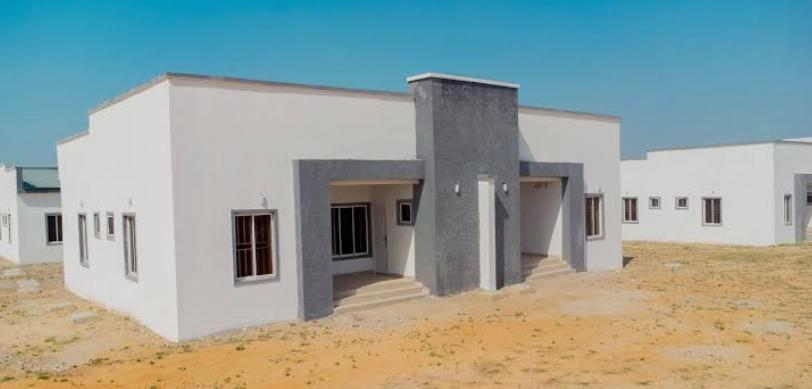
One of the administration’s flagship projects is the construction of modern residential units along the Ibrahim Aliyu Bypass in Dutse. The development forms part of a broader urban renewal strategy aimed at creating well-planned residential districts capable of accommodating the state’s growing population.
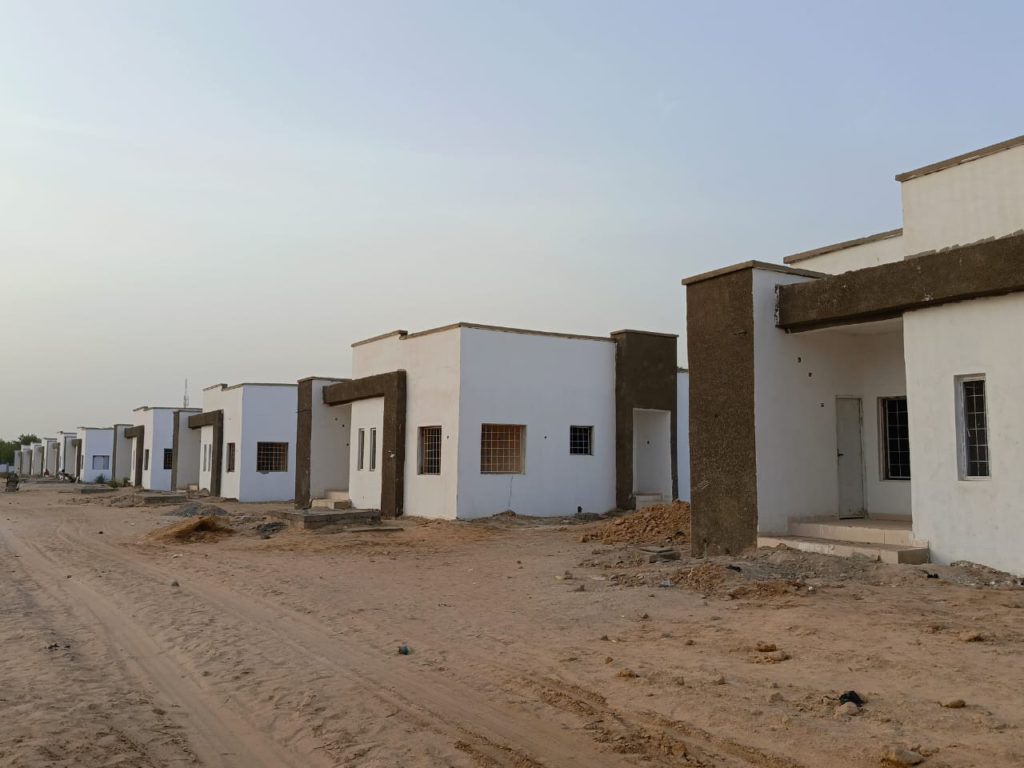
Urban development experts note that such initiatives are not only enhancing the physical landscape of the capital but also increasing property values and attracting new investments into emerging areas.
Housing Meets Economic Empowerment
Beyond infrastructure, the government has embedded skills development into its housing programmes. Numerous young people across the state have been trained in construction-related trades, including POP installation, painting, masonry, and other building skills.
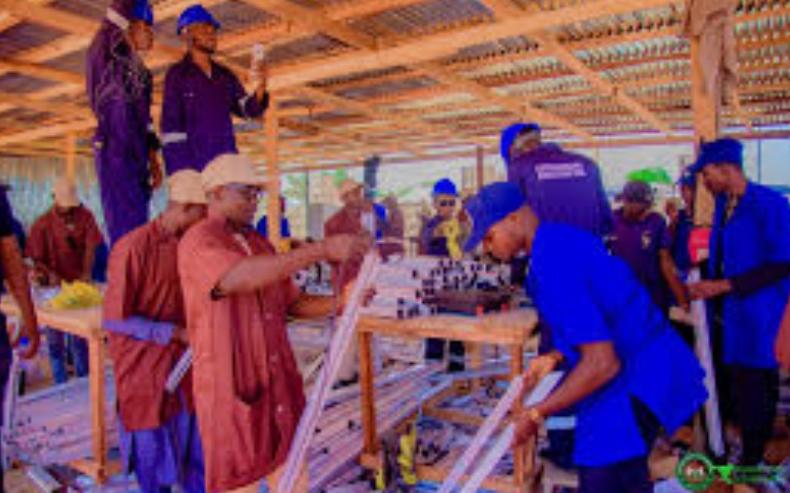
This dual-impact approach is widely regarded as a strategic intervention simultaneously reducing unemployment and building a skilled workforce capable of sustaining future housing projects within the state.
Strengthening Institutional Synergy
Effective collaboration between the Housing Authority and the Ministry of Land, Housing, Urban Development, and Regional Planning, under the leadership of Ahmed Garba, has further enhanced project delivery.
Officials say this synergy ensures that housing developments are aligned with broader urban planning policies, reducing the risk of unregulated expansion while promoting sustainable and organized city growth.
A Governance Model Focused on Results
Policy analysts observe that Governor Namadi’s approach retaining experienced technocrats while introducing targeted reforms reflects a governance style anchored on continuity, fiscal responsibility, and measurable impact.
This model, they argue, is gradually positioning Jigawa as a case study in effective subnational governance, where strategic leadership and institutional efficiency converge to deliver tangible development outcomes.
Looking Forward
With ongoing projects expanding across the state, Jigawa is redefining its housing narrative from fragmented initiatives to a coordinated, people-centered development system.
For residents, the impact is increasingly visible. For policymakers and development observers, Jigawa presents a compelling example of how clear vision, sustained investment, and inclusive policies can transform a critical sector.
In Jigawa State, housing is no longer just about providing shelter it is about creating opportunities, empowering citizens, and laying the foundation for sustainable growth.
About The Author